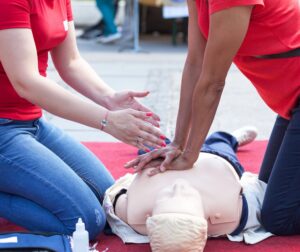
Build the confidence to recognize cardiac emergencies, perform high-quality CPR and use an automated external defibrillator while emergency help is on the way.
Participants practice:
- CPR skills for adults, children and infants
- Safe, effective AED use
- Responding to choking emergencies
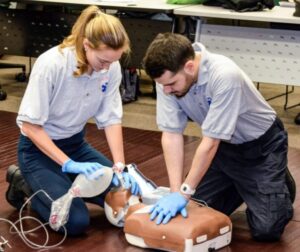
A healthcare-focused course covering high-quality CPR, team-based resuscitation and AED response for adults, children and infants.
Participants practice:
- The AHA Chain of Survival and high-quality CPR
- AED use, effective ventilation and airway obstruction response
- Single-rescuer and multi-rescuer techniques
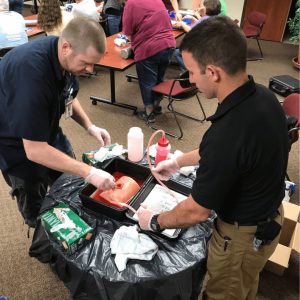 Learn how to recognize and control life-threatening bleeding so you can take immediate action before first responders arrive.
Participants practice:
- Identifying life-threatening bleeding
- Applying direct pressure and packing a wound
- Using a tourniquet correctly

Develop practical personal-safety skills that can help participants recognize potential threats, establish boundaries, create distance, and respond confidently when faced with an unsafe situation.
Participants practice:
- Situational awareness and recognizing potential risks
- Verbal boundary-setting and confident communication
- Creating distance and identifying escape options
- Basic defensive techniques designed to help participants disengage and reach safety
Best for:
Workplaces, community organizations, educators, healthcare teams, public-facing employees, and groups seeking practical personal-safety training.
Training can be tailored to the audience, workplace environment, experience level, and specific concerns of the organization.
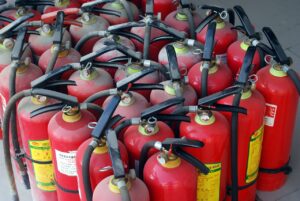 Give employees hands-on familiarity with portable fire extinguishers and the judgment to respond safely to an early-stage fire.
Participants practice:
- Recognizing Class A, B and C fire hazards
- Choosing an appropriate extinguisher
- Practicing the Pull, Aim, Squeeze, Sweep technique
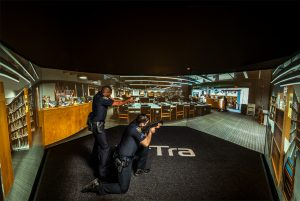 Prepare employees to make informed decisions during an active-threat emergency through clear response principles, situational awareness and workplace discussion.
Participants practice:
- Recognizing warning signs and improving situational awareness
- Understanding response options during an incident
- Knowing what to expect when law enforcement arrives
 Strengthen verbal and nonverbal communication skills that help employees recognize escalating behavior, reduce tension and manage conflict more effectively.
Participants practice:
- Recognizing escalation cues and personal triggers
- Using calm, clear verbal and nonverbal communication
- Practicing scenarios tailored to your industry
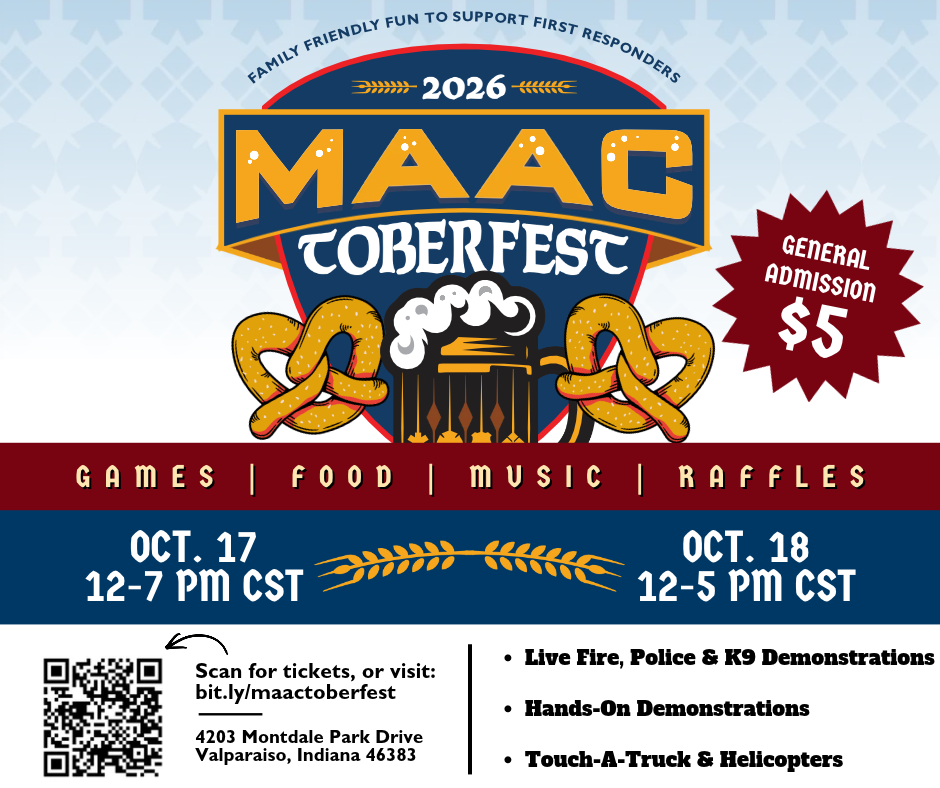
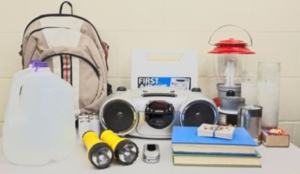 MAAC Foundation’s Family Preparedness Class helps families build the knowledge and confidence to respond when emergencies happen.
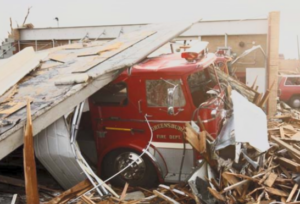 MAAC Foundation’s Business Preparedness Class helps businesses prepare for emergencies, disruptions, and unexpected events before they happen.
Participants will learn how to develop an emergency action plan, protect employees and customers, maintain communication during a crisis, identify essential operations,
and build strategies for continuity and recovery. This practical class gives businesses tools to respond more effectively and get back to operations as quickly and safely as possible.
From workplace need to practical training
1. Tell us the need
Share your organization, audience, group size and safety goals.
2. Help us Shape the Course
The MAAC will recommend the right training and adapt examples to your setting according to your needs.
3. Build Confidence
Your team practices skills they can use based on your individual circumstances.
Bring practical safety training to your organization
Tell the MAAC team what your employees, volunteers or community members need. A team member will follow up within 2–3 business days.
- Choose one course or combine related topics
- Discuss group size, scheduling and location
- Ask about industry-specific de-escalation scenarios
Note: The designated parking areas are the following: Parking Area 1, South of the Main Building and Parking Area 2, Amkus parking lot